
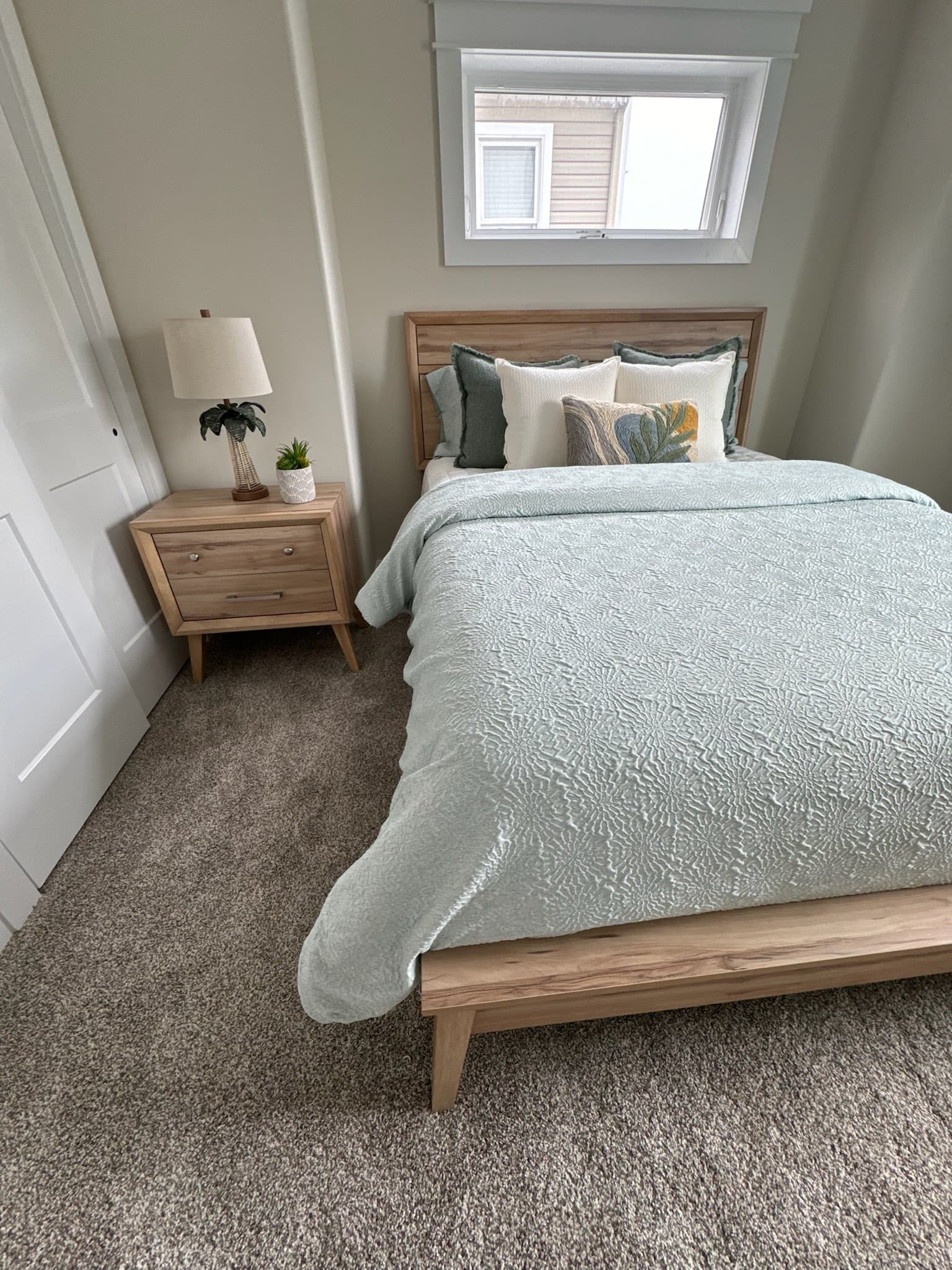
The body language starts before anyone says a word.
Watching buyer behavior in shore homes reveals consistent patterns. Where buyers look first, where they slow down, where they stop talking to each other. It's not subtle once you've seen it enough times, and it has almost nothing to do with the finishes list the listing agent hands you at the door.
Here's what I keep seeing.
The Smell and the Light Hit Before the Price Tag Does
I know that sounds basic. It's not.
A 1960s cottage on a typical Sea Isle block — three bedrooms, one-and-a-half baths, original everything — can feel completely different depending on whether someone opened the windows an hour before showing or not. That's not an exaggeration. Closed-up shore homes have a particular kind of damp-wood smell that is genuinely hard to un-smell once you've noticed it. Buyers don't say "this house smells." They say "I don't know, something felt off." Same house, different call.
Light is the other one. Shore homes are narrow. A lot of them. So the only natural light is front and back, and if the back has an addition blocking it or someone left the blinds down on the ocean side, the middle of the house goes dark. Buyers feel that. They don't necessarily name it. But they stop moving forward in a room that doesn't have enough light, and they linger in the ones that do.
Buyers fall in love with screened porches that are objectively mediocre — older screen, no view to speak of — just because the afternoon light is coming in at the right angle. They've already decided. The price hasn't even come up yet.
This is why outdoor living matters so much at the shore specifically. If you haven't thought through what decks, porches, and pools actually signal to buyers, it's worth reading before you make any changes. The sequence of what buyers want to see outside before they commit to the inside is not what most sellers expect.
The Kitchen Counter Gets One Pass
Buyers look at the kitchen counter the way you'd look at someone's face when you meet them for the first time.
It's fast. It's mostly unconscious. And they've already formed an opinion before they can justify it.
What I see sink showings: dark granite that's gone cloudy from hard water. Tile grout that's yellowed. Laminate edges that have lifted. None of these things are structural. None of them are expensive to fix. But they read as neglect, and once a buyer reads neglect, they start looking for it everywhere.
What I see hold attention: clean lines, even simple ones. A quartz counter in a mid-range white that photographs well and wipes clean. Doesn't have to be expensive. Actually — and this is the part that's inconvenient to say out loud — I've seen some very high-end material choices completely miss the mark because they felt wrong for the house. A quartzite waterfall island in a raised ranch that hasn't been touched since 1978 everywhere else reads as a flip, not a renovation. Buyers notice the gap. It makes them nervous about what's underneath.
There's a full breakdown of which finishes shore buyers actually respond to in 2026 that gets into this in more detail — including the gap between what sells on Instagram and what moves product at a showing.
(The cabinet hardware question, by the way, comes up constantly. Owners in the mid-renovation stage almost always overthink it. Buyers almost never notice it unless it's wrong.)
The First Hallway Tells the Whole Story
Here's something I can't fully explain but have seen too many times to ignore.
The hallway from the front door to wherever the house opens up — that 8 to 12 feet — sets the ceiling for everything that follows. If it's narrow and the paint is dingy and there's a coat rack taking up half of it, buyers have already mentally capped their price before they've seen a bedroom. I don't know exactly why the entry hallway carries this much weight. It might be because it's the first moment of commitment — you've walked in, the door is behind you, and your brain is already deciding whether this was a mistake.
Shore homes are particularly bad for this. They were built in eras when you were supposed to enter through the kitchen or the back porch. The front door experience was almost an afterthought. So when you're selling one of these places now, that original front entry is doing real damage before you've said a word.
This comes up a lot when owners are deciding between a full renovation and a targeted refresh. It also comes up in new construction planning conversations, where the entry sequence is one of the first things we think through. If you're starting from scratch in Ocean City, the 2026 new construction guide walks through how thoughtful flow decisions get made at the design phase before they become expensive to change.
---
The thing I keep coming back to — and I'll admit this cuts against some of what I just said — is that buyers are also not entirely rational. Outdoor space can override everything. A shaded back deck with a ceiling fan, even a modest one with no real view, can be the thing that closes the deal — bad hallway, bad light, and questionable counter material notwithstanding. Once someone sits down outside and doesn't want to get up, the interior flaws stop mattering.
So take all of this as pattern recognition, not physics. These are the things that shift probability. They're not guarantees.
What I do know is that the first 30 seconds narrow the field dramatically. Buyers who feel right walking in will forgive a lot — a smaller bedroom, a dated bathroom, a weird layout decision from 1967. Buyers who feel wrong walking in will price-adjust everything they see after that, even the things that are genuinely good.
The question I keep asking sellers before we list anything — and I ask it every time — is: what's the first thing someone's going to smell, see, and feel when they walk through that door on a Tuesday afternoon in July when it's 88 degrees outside and they've already seen four other houses?
---
If you're thinking through a renovation, a sale, or whether to build new, we can close in as little as 10 days or on your timeline. Reach out to Redfern Ocean Development here — no pitch, just a conversation about what makes sense.