
The call comes in, and I already know roughly how it goes before I even pick up.
Someone's owned a shore home since the '70s or '80s — sometimes it's been in the family the whole time — and they're thinking about selling in the next year or two. They want to know if they should fix it up first. New kitchen. Bathroom updates. Maybe replace the windows. "Get it ready," is the phrase I hear constantly. Like the house is a patient that needs to be stabilized before it can be moved.
I understand the instinct. I genuinely do. These homes hold decades of memory and owners want to send them off with dignity. But from a purely financial standpoint — and I say this as someone who has watched this pattern repeat more times than I can count — pre-sale renovation on an aged shore property is where money goes to disappear.
Why the Math Almost Never Works
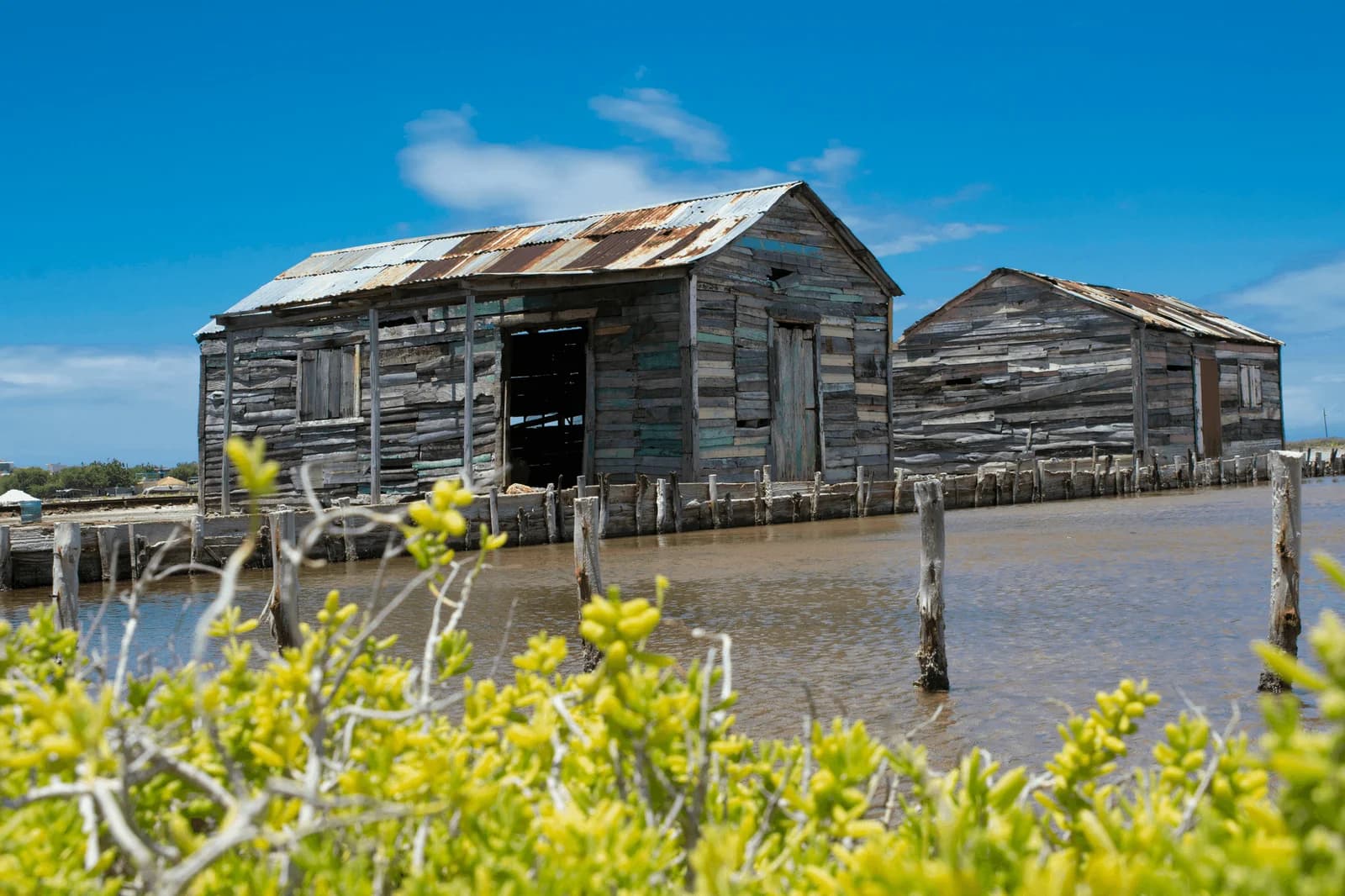
Take a typical late-1950s wood-frame cottage on a lagoon-adjacent block in Sea Isle. Not a great lot, not a terrible one. Maybe 40 feet wide. House is original — cedar shake siding, single-pane windows, a kitchen that was last updated when Carter was president. The land under it is worth somewhere in the range of $400,000 to $500,000 depending on the block and the year. The structure itself adds almost nothing to that number.
An owner in that situation told me she had gotten quotes — not to me directly, I want to be clear, this is a pattern I hear described — for about $85,000 in updates. New kitchen, two bathrooms, some flooring, exterior paint. Her thinking was that she'd spend $85K and get $150K more at sale.
Here's the problem. Buyers at that price point in Sea Isle are not shopping for renovated 1950s cottages. They're buying lots. The house is an obstacle, not a feature. The renovated kitchen goes into a dumpster. The new bathroom tile goes into a dumpster. Everything she spent money on gets demolished approximately six to nine months after closing.
I had to sit with this for a while before I fully believed it myself, honestly. It felt too blunt. But I've watched it happen on enough blocks that I changed my mind.
New Construction vs. Renovated: How Buyers Actually Decide gets into the buyer psychology on this more carefully than I will here — but the short version is that when a lot supports new construction, buyers are pricing the land and mentally erasing the structure. A renovated structure doesn't change that calculus the way owners expect it to.
The One Exception (And Why It's Rarer Than You Think)
Here's where I contradict myself a little, because this post would be dishonest if I didn't.
There is a category of aged shore home where targeted investment does make sense. It's not common, but it exists. If the structure has real bones — decent elevation, sound framing, not a teardown candidate in the buyer's mind — and the location supports a retail buyer who actually wants to move in, then cosmetic updates can shift perception meaningfully.
The operative phrase is "retail buyer who actually wants to move in."
That buyer is not the dominant buyer in most of the Cape May County shore market right now. The Cape May County Buyer in 2026: Who They Are and What They Want maps this out with more nuance. But in the blocks where we operate most heavily — the Sea Isle grid, Avalon's older sections, some of the Stone Harbor margins — the renovation-to-move-in buyer is a minority.
Most buyers at these price points are either investors, developers, or families buying a teardown lot with the intention of building something they actually want. They do not want your $85,000 kitchen. They are actively annoyed by it because now they have to pay to haul it out.
What "As Is" Actually Means in Practice
Owners sometimes hear "sell as is" and think it means accepting a low offer. A distress sale. Walking away from value.
That's not how I think about it.
Selling a teardown-candidate shore home as is — without renovation spend — means you're selling the thing for what it actually is: a lot with a temporary structure on it. That's not a diminished framing. That's the accurate framing. Buyers who understand that are not penalizing you for skipping the kitchen refresh. They're pricing the land and the demolition cost and the timeline and that's it.
Why Buyers Walk Away From Shore Homes: The 5 Most Common Deal-Killers has a section on exactly this — the confusion that happens when a renovated older home gets priced as if the renovation added full dollar-for-dollar value. Buyers see the discrepancy and they leave.
One thing we can do at Redfern, depending on the situation, is structure a joint venture rather than a straight purchase. The owner contributes the land. We handle the development. Profit gets split — typically 25% to 50% of net profit, structured per deal — and the timeline from demolition to sale-ready runs approximately 6 months. Why Joint Ventures Work: The Philosophy Behind Sharing Upside explains how we think about that structure and why it suits certain families better than a straight sale.
For owners who want a clean exit, we can close in as little as 10 days, or on your timeline. That option exists too.
(We move quickly, which matters if you're trying to move before the summer rental season flips or before a family decision gets complicated — and those decisions do get complicated. The Family Shore House Decision: Keep, Sell, or Rebuild is worth a read before the next family conversation.)
The homes that were built in Sea Isle and the surrounding towns in the '50s, '60s, and early '70s were not built for the market of 2026. Before FEMA: How Shore Homes Were Built in the 1960s and 1970s gets into the structural realities — the framing, the elevation, the materials — and honestly some of it surprised me when I went back and looked at it carefully. These were seasonal structures. Built to be used, not to last forever. Many of them have lasted longer than anyone expected, which is a credit to the families who cared for them. But care and market value are different things.
The shift in what Sea Isle looked like in 1985 versus what it looks like now is not subtle. Sea Isle City in 1985 vs. 2026: 40 Years of Shore Change lays that out in a way I find useful for owners trying to understand why their grandfather's frame cottage sits on land that's worth more than the house ever was.
---
I keep coming back to that $85,000 number. The owner who got those renovation quotes was not being irrational. She was trying to honor the house. But somewhere between the contractor's estimate and the eventual buyer's demolition permit, that money was always going to
---
Thinking about what to do with your shore property before spending anything on it? Reach out to Redfern Ocean Development. We can walk through the numbers with you before you make any decisions. Contact us here.